Al Sharqiyah North Governorate
About the Governorate
Al Sharqiyah North Governorate lies on the interior side of the Eastern Hajar Mountains, and it borders Muscat Governorate to the north, Al Dakhiliyah Governorate to the west, and Al-Sharqiyah South Governorate to the east and south.
The governorate consists of seven wilayats: Ibra, Al Mudhaibi, Bidiyah, Al Qabil, Wadi Bani Khalid, Dima Wa Tayeen, and Sinaw, with Ibra as its administrative center. According to the National Center for Statistics and Information, the population of the governorate is 320,504.
Al Sharqiyah North Governorate has benefited from many development projects across various sectors, including healthcare, education, tourism, roads, electricity, and water, among others.
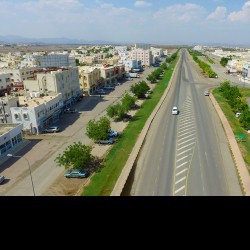
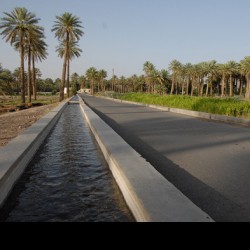
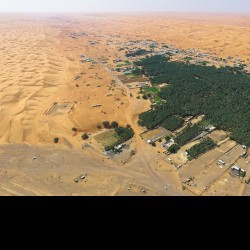
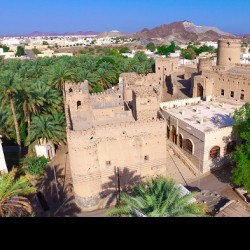
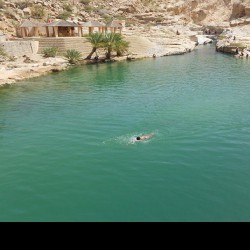
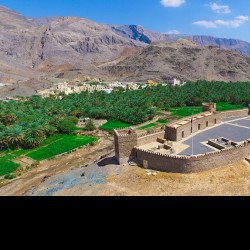
Attractions in the Governorate
Contact Information

Governor
H.E. Mahmoud bin Yahya Al Dhahli

Spokesperson
Zubaida bint Salim bin Said Al Sheidhaniya