• Friday : 09 - October - 2026
  • Time Now : 04:10 AM
English
  • العربية ar
  • English en
  • Français fr
  • Español es
  • 中文 cn
  • Deutsch de
  • 日本語 jp
  • Русский ru
MOI Logo
  • SULTANATE OF OMAN
    • History and Geography
    • The Basic Statue of the State
    • National Flag and Emblem
    • Oman’s National Anthem
    • Governorates of Sultanate of Oman
    • State Institutions
      • Ministries
      • Public Authorities
      • Specialised Councils
      • Councils and Committees
    • Official Holidays
    • The Unified Promotional Identity for the Sultanate of Oman
  • HM Sultan Haitham
    • Cultural Contributions
      • His Majesty the Sultan’s Awards
      • His Majesty the Sultan's Chairs
    • Biography
    • Wise Policies
    • Honorary Orders
    • Photos Album
    • His Majesty Speeches
      • His Majesty Speech January 11, 2020
      • Speech of His Majesty Sultan Haitham Bin Tarik January 11, 2025
      • His Majesty Speech February 23, 2020
      • His Majesty Speech 18/11/2020
      • Speech of His Majesty Sultan Haitham Bin Tarik October,11,2021
      • Speech of His Majesty Sultan Haitham Bin Tarik January,11,2022
      • Speech of His Majesty Sultan Haitham Bin Tarik 14/11/2023
  • The late Sultan Qaboos
    • The Royal Speeches
    • Biography
    • Honorary Orders
    • The Royal Speeches
    • Cultural and Civilized Contribution
  • Ministry of Information
    • Royal Decrees
    • Electronic Platforms
      • Ayn Platform
      • Information Portal Services Guide
    • Media Attachés
    • Omani Media
      • Oman News Agency
      • Oman Radio
      • Oman TV
      • Directorate General of Press, Publishing and Advertising
      • Electronic Media
      • Media Training Center
    • Oman Newspaper
    • Ayn short films Festival
    • Organisational Structure
    • Conduct for Civil Servants
    • About MOI
    • Electronic Services Platform
    • Laws and Media Covenants
  • E-Participation
  • Oman 2040
    • Oman Vision 2040
    • Vision Document
    • National Programs
    • Reports
      • Oman Vision 2040 Report 2022-2023
      • Oman Vision 2040 Report 2023-2024
      • Annual Reports 2021 Citizen Version
      • Annual Reports 2021
    • Pillars and Priorities
    • Initiatives

Al Dakhiliyah Governorate

Al Dakhiliyah Governorate

About the Governorate

Al Dakhiliya Governorate, with its rich history, cultural contributions, and strategic location, is considered one of the most important governorates in the Sultanate of Oman. It serves as the strategic depth of the country and acts as a central point of connection with other governorates.
Al Dakhiliya Governorate is not only one of the country's primary agricultural regions but also plays a prominent role in Oman's history. It consists of nine wilayats: Nizwa, Bahla, Manah, Al Hamra, Adam, Izki, Samail, Bidbid, and Jabal Akhdar, with Nizwa as its administrative center. According to the National Center for Statistics and Information, the population is 558,419.
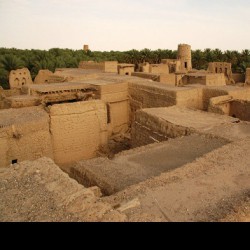
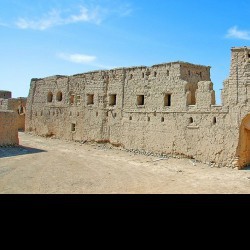
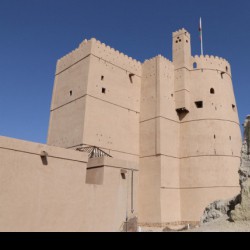
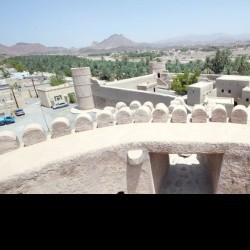
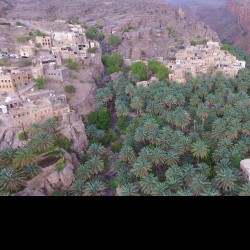
Among its prominent tourist destinations are Al Jabal Akhdar and Jabal Shams, both known for their stunning natural beauty and mild climate, especially in the summer. Other notable sites include Nizwa Fort, Bahla Fort, Jibrin Castle, Al Abriyeen Village in Al Hamra, and the old villages such as Al Busaid in Adam and Al Bilad in Manah, along with Jurnan Cave in Izki and Al Mudhmar Mosque in Samail. The governorate also has traditional markets in Nizwa, Bahla, and Bidbid. The aflaj systems found throughout its nine wilayats, with notable examples such as Falaj Daris in Nizwa, Al Khatmeen in the Wilayat of Barkat Al-Mawz, and Al-Malki in Izki. Additionally, the “Oman Across Ages Museum” in the Wilayat of Manah offers a historical journey.
Governorate Wilayates

The Wilayat of Bahla

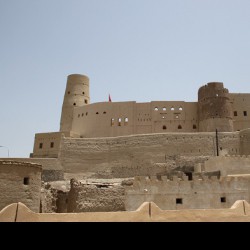
The Wilayat of Bahla is one of the most important archaeological sites in the Sultanate of Oman, as it contains many castles and forts, foremost among them Bahla Fort, whose construction dates back to the pre-Islamic era. Because of its international historical significance, UNESCO has included Bahla Fort in the World Heritage List. Bahla is distinguished by its surrounding wall, which is about seven miles long, built to protect it from external aggressions in ancient times. This wall has seven gates. There are other forts in Bahla, one of which is in the village of Bisya, which is the multi-tower fort, while the second is in the village of Al Aqeer, which contains a fortress and two towers. In addition, it has an old market beside the fort in the Wilayat of Bahla.

Read More

The Wilayat of Samail

It is one of the wilayats of the Governorate of Al Dakhiliyah. It is about 85 km away from the capital, Muscat. The Wilayat of Samail is bordered to the north by the Wilayat of Bidbid, to the south by the Wilayat of Izki, to the east by the Wilayat of Al Mudhaibi, and to the west by the Wilayat of Nakhal. The Wilayat of Samail includes about 115 castles, forts, and towers, but the most important of them is Samail Fort, which is located on one of the mountainous highlands in the city centre. Also notable is its castle, Al Shahba, with a tower called “Burj Al Dawa.” The wilayat also includes about 300 ancient monuments, the most important of which are the Great Companion Mosque of Mazin bin Ghadhouba and the “Qiblatain” Mosque. The falajs, along with springs and green oases, are among the prominent tourist attractions in the wilayat, with around 194 falajs in total. The most famous of these is the “Samdi” falaj. The Wilayat of Samail is known as “Al Fayhaa” due to its abundance of green oases, orchards, and adjacent trees. Palm trees are widespread, especially the fardh palm, which is the emblem of the Wilayat of Samail. There are about 15 springs in Samail.

Read More

The Wilayat of Adam

It is one of the wilayats of the Governorate of Al Dakhiliyah. It is located on the southern side of the Al Dakhiliyah Governorate, bordered to the north by the Wilayats of Manah and Bahla, to the south by the Wilayats of Mahout and Haima of the Al Wusta Governorate, to the east by the Wilayat of Al Mudhaibi of the Al Sharqiyah North Governorate, and to the west by the Wilayat of Ibri of the Al Dhahirah Governorate. It is about 223 km away from the Governorate of Muscat. The wilayat takes Adam Grand Mosque and the fardh palm tree as its symbol. There are a number of archaeological monuments in the Wilayat of Adam, the most important of which are mosques such as Al Muhallab bin Abi Sufra, Al Rahba, Al Hawashim, Al Shayabnah, and Al Rogha. As for castles and forts, the most prominent are the two forts of Falaj Al Ain, the two forts of Falaj Al Maleh, and Adam's Castle. The number of towers in the wilayat is estimated at about thirty. In addition to castles, forts, towers, and ancient mosques, there are also several other sites in the Wilayat of Adam that can be considered historical monuments. The Wilayat of Adam also has several old neighbourhoods that gave birth to men of fame and reputation who contributed significantly to shaping and making Omani history. Most notable is the neighbourhood of Al Busaid Mosque, which has an oval shape, where the founder of the royal family, Imam Ahmed bin Saeed, was born. His house is still standing today. There is also the Al Shayabnah neighbourhood, which historical sources indicate was a meeting place for commercial caravans during pre-Islamic times, and the Al Ayn neighbourhood, which witnessed the birth of the great scholar Darwish bin Jumaa Al Mahrouqi, the author of Al-Dala’il fi al-Lawazim wal-Wasa’il. The list of prominent scholars born in the Wilayat of Adam also includes Al Muhallab bin Abi Sufra, Muhammad bin Saif Al Shaibani, and Hassan bin Harmal Al Mahrouqi. In addition to these historical neighbourhoods and the political and scholarly figures born in the Wilayat of Adam, three natural springs add to its list of tourist attractions: Ayn Al Rakhim and Ayn Al Jandali, located at the foot of Mount Sallakh, and Ayn Namah, located on the banks of Wadi Halfin. As for the falajs, there were originally 24, but twenty of them have dried up or become extinct over the years, leaving only four falajs still flowing.

Read More

The Wilayat of Izki

It is one of the wilayats of the Governorate of Al Dakhiliyah. It is bordered by Al Jabal Al Akhdar from the west, by Manah and Nizwa from the west and south, by Samail from the north, and by Al Mudhaibi in the Al Sharqiyah North Governorate from the east. Its area is about 2,500 km², and it is approximately 138 km away from the capital, Muscat. The wilayat takes Falaj Al Maliki as its symbol. The monuments still stand as a testament to the ancient legacy of the wilayat. There are approximately 142 towers and three castles, one of which is Al Aawamir Fort, and two forts located within the wall of the village of Al Qaryatayn. In addition, it has a number of archaeological houses, the most notable of which are Al Nizar and Al Yameen. There is also a large fort, some parts of which have been damaged over the years, that was built during the reign of Said bin Sultan. Among the most prominent tourist attractions in the wilayat is Falaj Al Maliki, named after Malik bin Fahim Al Azdi, as well as Falaj Ghar and Jernan, about which many fictional and real stories are narrated.

Read More

The Wilayat of Manah

It is one of the wilayats of the Governorate of Al Dakhiliyah. It is bordered by the Wilayat of Adam to the south, the Wilayat of Izki to the east and north, and the Wilayat of Nizwa to the west. It is about 160 km from the capital, Muscat. Some of the important archaeological sites in the wilayat include Al Fiqain Castle, Al Bilad Castle, another castle in the village of Ma’mad, and an old fort in Al Maadi, in addition to an old mosque that was built during the time of Imam Omar bin Al Khattab Al Kharousi, as well as Al Sharah Mosque. All of them were restored during the years of the Omani modern renaissance led by His Majesty Sultan Qaboos bin Said. There are many tourist attractions in the Wilayat of Manah. There is a spacious cave in the old village of Harat Al Bilad, surrounded by an ancient wall. It is said to have been used as a hiding place during times of war for women and children. There is also a subterranean vault located in one of the ancient houses in Al Fiqain. On Mount Bou Sarrouj, there are ancient ruins, including stone-built halls that were used for commerce. Nearby to the south, there is a rock with an inscription that reads: "From Ibrahim, Khalil Allah, we met in this place seventy horsemen; neither were they from Manah, nor were they from Nizwa." Legend surrounds the Az al Qadim Mosque regarding a rock with a human footprint. It is said that a 100 kg rock was taken by a visitor during his travels south. The next day, upon waking, the man noticed the rock had vanished, only to find it returned to the mosque. Furthermore, the Wilayat of Manah has two water springs: Ayn Al Bilad and Ayn Al Maniyah. It is also estimated that there are more than 13 falajs.

Read More

The Wilayat of Bidbid

It is one of the wilayats of the Governorate of Al Dakhiliyah. It is bordered to the north by the Wilayat of Seeb, to the south by the Wilayat of Samail, and to the east by the Wilayat of Dima W'attayeen. It is approximately 71 km from the city of Muscat. The emblem of the wilayat is the Bridge of Fanja. Bidbid’s nature combines mountains and plains, crossed by valleys. It has mountain ranges such as Jabal Al Hamar and Jabal Hameem. It also has many wadis –valleys- including Wadi So’al, which contains natural water springs. The number of towers in various parts of the wilayat is estimated at about 40, the most famous of which are the Fanjaa Tower, the Al Mansheira Towers, and Naqsi Castle. Among its tourist attractions are Ayn Qu’aid and other scenic areas in Naqsi and Handroot. There are also a number of falajs, the most important of which are the Al Raha Falaj and the Al Hamamiyat Falaj in Fanja.

Read More

The Wilayat of Al Hamra

It is one of the Wilayats of the Governorate of Al Dakhiliyah. It is located on the northwestern side of Al Jabal Al Akhdar. It is bordered to the north by the Wilayat of Rustaq, to the south by the Wilayat of Bahla, to the east by the Wilayat of Nizwa, and to the west by the Wilayat of Ibri. It is situated at an altitude of 580 meters above sea level. The Wilayat of Al Hamra was established during the rule of the Yarubi dynasty, and its location was known as Qadam. This Wilayat took the fortress of Sharia as its symbol. Since the introduction of Islam to Oman, this area, like others, has established a number of mosques. The most prominent is Al Arid Mosque, which has a capacity of about 1,000 worshipers and consists of 26 pillars, indicating the population density in that area at the time. As it dates back to the fourth century AH, it is considered an important heritage site. Al Qaria Mosque, located to the east of the Wilayat of Al Hamra, can accommodate about 200 worshipers and is also an Islamic archaeological site. In addition to the historical sites deeply rooted in time, which form an important aspect of tourism in this Wilayat, there are other notable tourist attractions. The most important include Beit Al Nu’ma, an architectural masterpiece by the standards of its time, and the village of Al Nakhr, which is famous for its mild weather throughout the summer months, as well as its many hollows and caves. Due to the natural landscape of the Wilayat, which consists mostly of rocks and mountains, valleys descend from the mountain tops, creating stunning scenery. Among the most important valleys in the Wilayat are Al Nakhr, Shahma, Al Maleh, and Wadi Ghoul, which runs along the course of the dam known by the same name. Wadi Ghoul Dam is located about 3.8 km northwest of the Wilayat of Al Hamra and is 415 meters long. It was constructed in November 1989 at a cost of one million and 200 thousand riyals. The dam aims to improve the status of groundwater that feeds the Falaj Al Hamra and the agricultural wells, securing water needs for existing farms. It also benefits the falajs and wells near the Wilayat of Bahla, contributing to new agricultural development. Falajs are one of the most important water sources for agriculture in the Wilayat of Al Hamra, though a large area of farmland relies on wells, especially in the Wadi Al Khor area.

Read More

The Wilayat of Nizwa

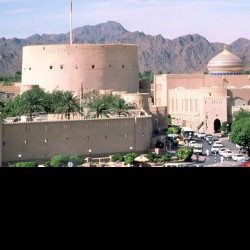
It is one of the Wilayats of the Governorate of Al Dakhiliyah, located on the southern foot of Jabal Al Akhdhar, which borders it from the north. It is bordered by the Wilayat of Manah to the south, the Wilayat of Izki to the east, and the Wilayat of Bahla to the west. It is situated at an altitude of 450 meters above sea level and is about 174 km away from the capital, Muscat. It is the regional center of Al Dakhiliyah Governorate and takes its famous fort as its symbol. One of its most prominent landmarks is Nizwa Fort, which was built during the era of Imam Salt bin Malik and served as the seat of the governor. The city is also known for its grand mosque (jama), which was a beacon of knowledge and a place where Friday prayers were held during the time of the imams. Nizwa has a number of renowned mosques, such as So’al Mosque, built during the reign of Imam Salt bin Malik in the 2nd century AH; Al Shawathinah Mosque, attributed to its founder Issa bin Abdullah bin Shathan; and Al Sharjah Mosque, built in 727 AH in So’al. Other notable mosques include Al Ain Mosque, built by Imam Al Muhanna bin Jaifar; Ash Sheikh Mosque, built by the scholar Bashir bin Al Mundhir during the reign of Imam Al Julanda bin Masoud; and Shuraij Mosque in Tanuf, built during the reign of Omar bin Nabhan in 377 AH. There are also three forts, one of which is located in Tanuf village and known by the same name, and another is “Beit Saleet,” which is located in Nizwa. Falajs and springs, which are wonderful tourist attractions, are spread throughout the wilayat. There are more than 89 springs and falajs, the most important and famous of which is Falaj Daris, known for its vastness, wide expanse, and fresh running water. In addition to these falajs and springs, which represent attractive tourist features, Al Jabal Al Akhdar, with its terraced agricultural lands and cold climate, is among the most famous tourist destinations in the governorate. Furthermore, Nizwa is known for its traditional market, which has been recently renovated while preserving its distinctive historical character.

Read More
Previous Next

Attractions in the Governorate

Aflaj

Traditional Markets

Traditional Crafts

Forts and Castles

Archeological Sites

Caves and Nature Reserves

Contact Information

Governor

H.E. Sheikh Hilal bin Said bin Hamdan Al Hajri

Spokesperson

--

Email

dakgo@dg.gov.om

Contact Number

21013000

Official Website

https://www.dg.gov.om/


Main Links

  • Ayn Platform
  • Oman News Agency
  • Oman Daily Newspaper

Useful Links

  • Injaaz Platform
  • Ejada Platform

Chosen Books

  • Musandam

    01 October 2019
  • Muscat

    30 September 2019
  • AL Dakhliya

    01 October 2019

Contact Us

  • National Platform for Suggestions, Complaints and Reports
  • Muscat - Sultanate of Oman
  • Portal@omaninfo.om
  • +96824943333
  • instagram
  • facebook
  • youtube
Media Portal logo Copyright © 2025 Ministry of Information
  • Terms & Conditions
  • E-Payment Policy
  • Privacy
  • Accessibility
  • Site Map
  • User Guide